About Hospital Stretcher Elevator
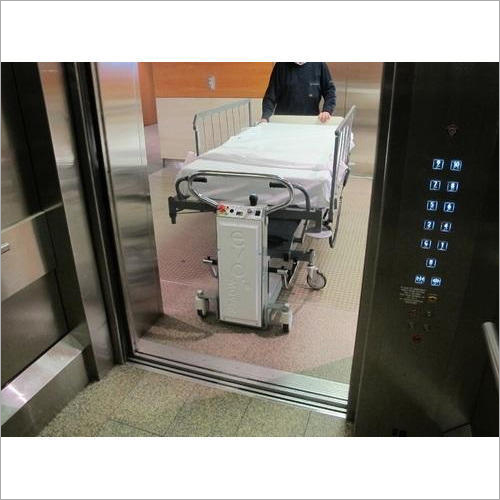
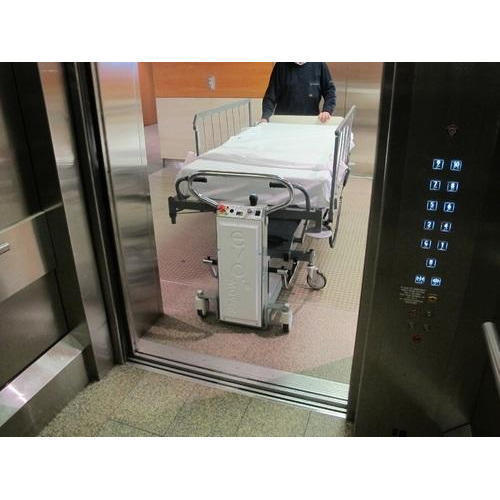
This energy efficient Hospital Stretcher Elevator is equipped with a number of protection features to ensure safety of patients and medical staff. Cabin of this lift is made of 304 grade stainless steel that has standard thickness. Powered by AC or hydraulic mechanism, this Hospital Stretcher Elevator uses low noise axial fan for ventilation of its cabin. Acrylic and stainless steel ceiling of this product is decorated with bright LED lights. Stainless steel handrail of this lift ensures jerk free riding.
Product Details
|
Maximum speed(m/s)
|
1.5 m/s
|
|
Brand
|
Yashica
|
|
Max Persons
|
Upto 45 Persons
|
|
Maximum Rise(m)
|
33m
|
|
Machine Room
|
Required
|
|
Installation
|
Provided
|
Optimized for Hospital UseHospital Stretcher Elevators are carefully engineered to meet the needs of healthcare facilities, providing ample interior space and smooth, level movements to ensure patient safety and comfort. With easy-to-clean surfaces, durable mechanisms, and user-friendly operation, these elevators help streamline emergency and routine patient transfers across multiple floors.
Flexible Power and Control OptionsChoose between electric (AC) or hydraulic drive types to match your facility's infrastructure and power supply needs. The integrated calling box control device enables quick, reliable floor selection and communication, helping staff coordinate elevator use during critical times. These adaptive systems deliver reliability with minimal downtime, ensuring uninterrupted service for your healthcare facility.
FAQ's of Hospital Stretcher Elevator:
Q: How does the calling box control device function in a hospital stretcher elevator?
A: The calling box control device allows users to summon and direct the elevator to specific floors efficiently. It is designed for easy operation by hospital staff, ensuring quick response times during emergencies and patient transfers.
Q: What are the benefits of using an AC or hydraulic drive type in stretcher elevators?
A: AC drive elevators offer energy efficiency and smooth acceleration, while hydraulic drives provide reliable performance, especially in low-rise hospitals. Both types are engineered for quiet and stable operation, enhancing patient comfort and safety.
Q: When should a hospital consider upgrading to a stretcher elevator?
A: Hospitals should consider installing or upgrading to stretcher elevators when expanding, modernizing, or aiming to enhance patient transport safety. These elevators become essential in multi-story healthcare facilities where timely and safe movement of patients is crucial.
Q: Where can hospitals in India source reliable stretcher elevators?
A: Hospitals in India can obtain quality stretcher elevators directly from reputed distributors, manufacturers, and suppliers who specialize in medical-grade vertical transportation across various regions.
Q: What is the process for installing a hospital stretcher elevator?
A: The installation process involves site assessment, customization based on hospital layout, delivery, setup of the elevator shaft and equipment, followed by safety checks and staff training for optimal operation.
Q: How are hospital stretcher elevators used in daily medical routines?
A: These elevators are used to move patients-sometimes accompanied by staff or essential medical equipment-between floors for treatments, surgical procedures, or transfers, ensuring continuous patient care and operational efficiency.
Q: What advantages do stretcher elevators provide for healthcare facilities?
A: Stretcher elevators enhance overall workflow, reduce patient transfer times, minimize discomfort during movement, and enable prompt emergency response, ultimately improving the quality of care in hospitals.

 Send Inquiry



 Send Inquiry


 Send Inquiry
